-03-2007-with-towel-01.jpg "AlkaBath")
|
|
|
| AlkaBath |
|
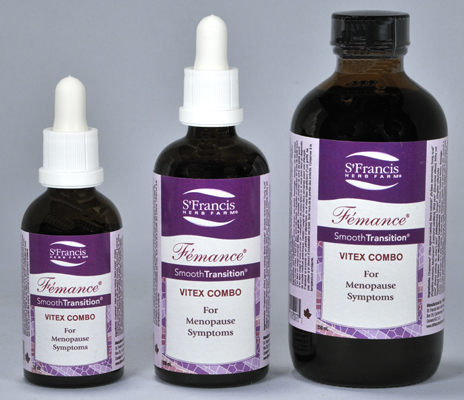
Femance |
|
CA$39.95
(
US$29.41
)
|
|
CA$29.95
(
US$22.05
)
|
|
|
||
|
|
|
|
|
|
|
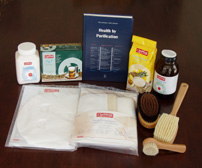
| Cellulite Kit |
|
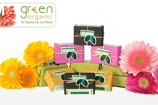
Package ot TEWELVE Halap Ghar Soaps |
|
CA$332.00
(
US$244.40
)
|
|
CA$99.00
(
US$72.88
)
|
|
|
||
|
|
|
|
|
|
|
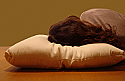
| HAND MADE ORTHOPEDIC WOOL NECK PILLOW |
|
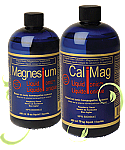
Ionic Nano Particle Magnesium |
|
CA$139.00
(
US$102.33
)
|
|
CA$39.95
(
US$29.41
)
Market price:
CA$49.95
,
save 20%
|
|
|
||
|
|
|
|
|
|
|
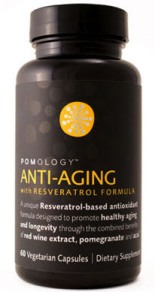
| Anti-Aging Supplement with Resveratrol (Red Wine Extract) |
|
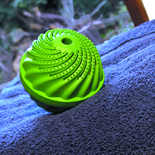
Green Wash Ball |
|
CA$42.95
(
US$31.62
)
|
|
CA$49.95
(
US$36.77
)
|
|
|
|
|
|
|
|
|
Featured products |
|
Cart is empty
-
 Bed, Bath, Baby, Spa
-
Teeth Whitening (1)
-
Runners Crafted Bikes (1)
-
Skin Care (40)
-
Organic Natural Soaps (9)
-
Herbal Pharmacy (126)
-
Children's Products (4)
-
Antioxidants (20)
-
Body-Building (4)
-
Bowel Function (17)
-
Breast Care (5)
-
Cardiovascular Function (5)
-
Cholestrol (7)
-
Circulatory System (15)
-
Connective Tissue (6)
-
Digestive System (46)
-
Endocrine Glands (17)
-
Fat Metabolism (8)
-
Gallbladder (8)
-
Immune (28)
-
Infection (39)
-
Kidney (6)
-
Liver (15)
-
Lymphatic (7)
-
Male (4)
-
Muscular & Skeletal (19)
-
Nervous System (22)
-
Oral Hygiene (10)
-
Protein Metabolism (2)
-
Remineralization (2)
-
Reproductive (19)
-
Skin (12)
-
Sleep & Relaxation (1)
-
Stress (15)
-
Thyroid (2)
-
Urinary System (20)
-
Whole Body System (9)
-
-
Hemp Food & Oils (4)
-
Sensation Therapy
-
Dr. Jentschura Products (21)
-
Green Wash Ball (1)